
 Website Design & Development
AI + Automation: The Perfect Duo for Business Efficiency
The integration of Artificial Intelligence (AI) into business operations is no longer a futuristic concept; it’s a present-day reality reshaping industries and driving unprecedented growth. AI automation, encompassing technologies like robotic process automation (RPA) and machine learning (ML), offers businesses the chance to optimize processes, increase efficiency, and ultimately boost the bottom line. But what exactly does this mean for your business, and how can you leverage its potential?
The Power of AI-Driven Automation Solutions
AI automation solutions are far more than simple software upgrades. They are intelligent systems capable of learning, adapting, and improving over time. Consider the mundane, repetitive tasks that consume valuable employee time and resources. AI can handle these, freeing up your workforce to focus on higher-level strategic initiatives. This isn’t just about cost-cutting; it’s about unlocking human potential and fostering innovation.
Examples of AI in Action
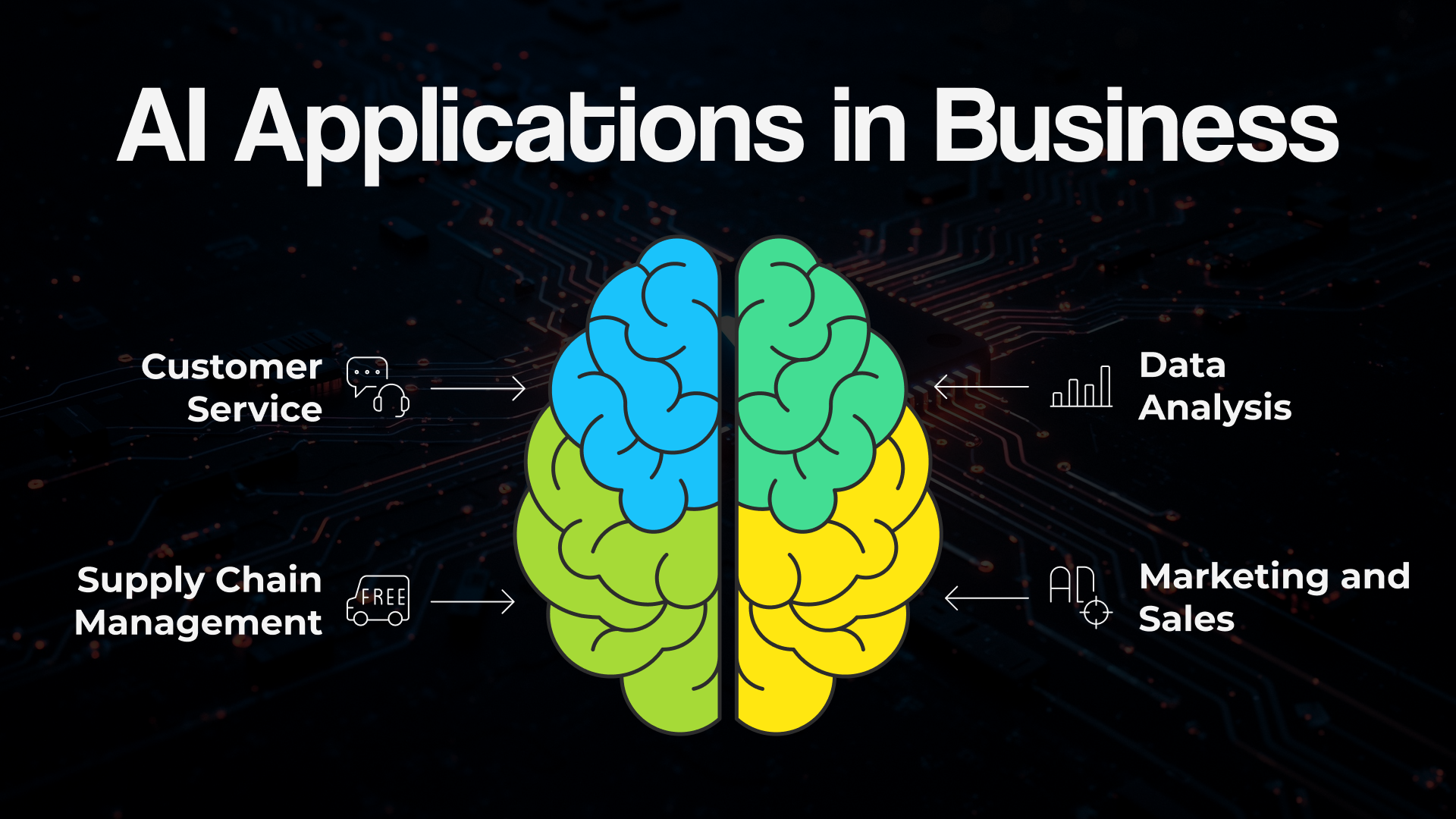
• Customer Service: AI-powered chatbots provide 24/7 support, answering customer queries and resolving issues efficiently, improving customer satisfaction scores. A recent study by Gartner predicts that by 2027, over 70% of customer interactions will involve emerging technologies, such as chatbots.
• Data Analysis: AI algorithms can sift through vast quantities of data, identifying trends and patterns that humans might miss. This leads to more informed decision-making across various business functions.
• Supply Chain Management: AI can optimize logistics, predict demand, and reduce waste, resulting in significant cost savings and improved efficiency. The global market for AI in supply chain management is expected to reach billions of dollars in the coming years.
• Marketing and Sales: AI can personalize marketing campaigns, target specific customer segments, and automate lead generation, maximizing marketing ROI.
Boosting Efficiency with Business Process Automation
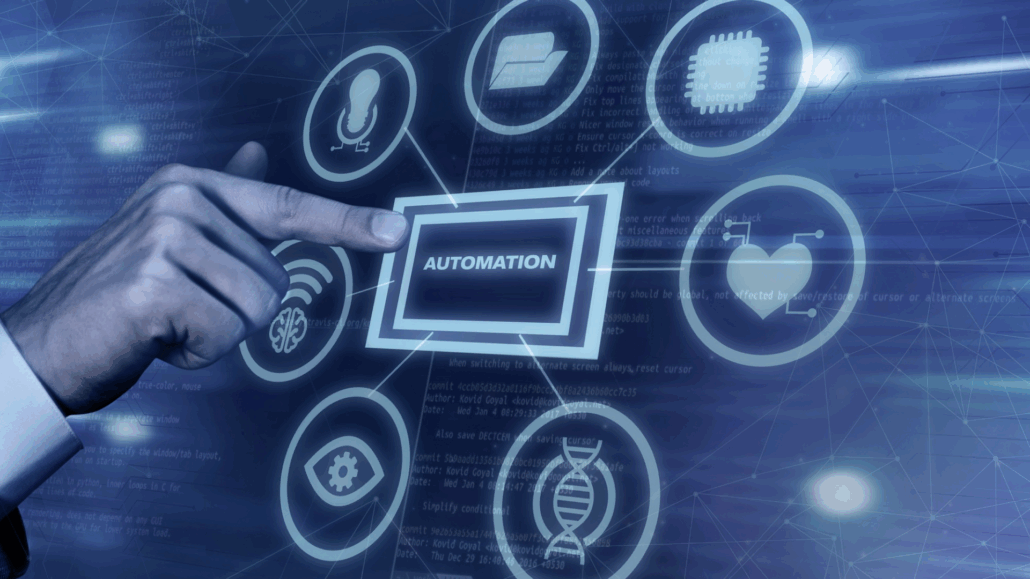
Business Process Automation (BPA) powered by AI is a game-changer. It’s about intelligently automating entire workflows, not just individual tasks. Think of it like this: instead of automating a single step in a process, you’re automating the entire journey. This level of automation leads to dramatic improvements in speed, accuracy, and consistency.
Addressing Common Concerns
Many businesses hesitate to adopt AI automation due to concerns about cost, complexity, or job displacement. However, the benefits often outweigh these concerns. The initial investment can be recouped through increased efficiency and reduced operational costs. Furthermore, AI often creates new, more strategic roles for employees, rather than eliminating jobs entirely. It’s about augmenting human capabilities, not replacing them. Ethical considerations matter too; ensuring responsible implementation is paramount.
Measuring the Impact of AI Efficiency
Quantifying the impact of AI automation is crucial. Key performance indicators (KPIs) should be established to track improvements in areas like productivity, customer satisfaction, and cost reduction. Regular monitoring and analysis provide valuable insights into ROI and guide future implementations.
Robotic Process Automation (RPA) – A Key Component

Robotic Process Automation (RPA) is a vital component of the broader AI automation strategy. RPA involves using software robots to automate repetitive, rule-based tasks. These “bots” can interact with applications and systems just like a human would, freeing up employees to concentrate on more complex and creative endeavors. RPA often serves as an excellent entry point for businesses looking to dip their toes into the world of AI automation. The global RPA market is growing rapidly, indicating its increasing adoption across industries.
Getting Started with AI in Your Business

The journey towards AI-driven automation might seem daunting, but it doesn’t have to be. Start by identifying areas where automation could yield the greatest impact. Perhaps it’s streamlining customer service, optimizing your supply chain, or improving data analysis. A phased approach, focusing on manageable projects, can minimize risk and maximize learning. Collaborate with experienced consultants or technology partners to navigate the implementation process effectively.
Conclusion
AI automation isn’t just a technological advancement; it’s a strategic imperative for businesses aiming to thrive in today’s rapidly changing landscape. By embracing AI, companies can unlock unprecedented levels of efficiency, innovation, and competitiveness. The potential benefits are immense, ranging from cost savings to improved customer experience and enhanced decision-making. So, what are you waiting for? Start exploring the transformative power of AI automation today!

Recent Comments